From Bike to Boots – Zsolt Kővári Begins His Khan Tengri Summit Push
Jul 28, 2026 · 4 min read
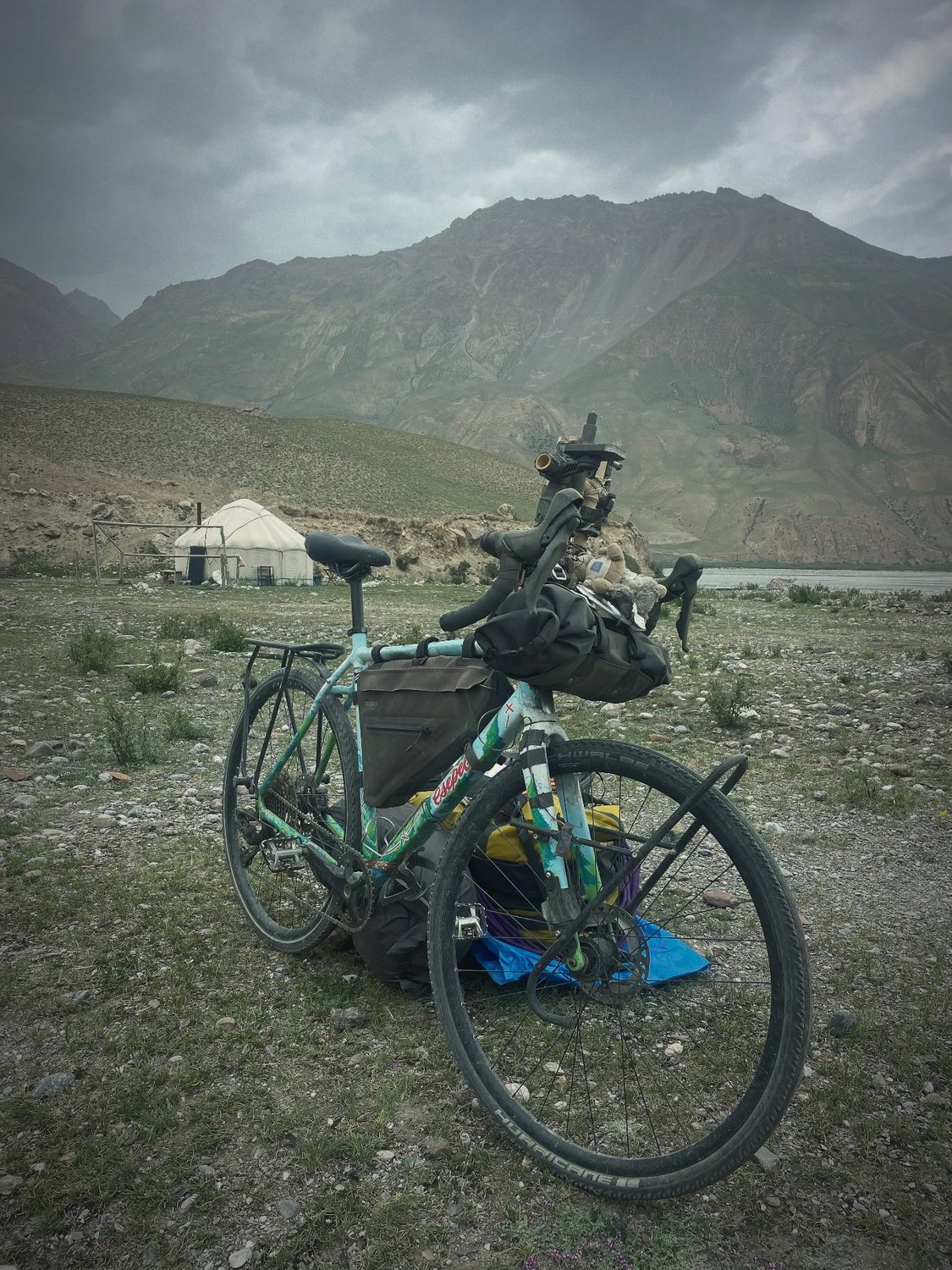
Some goals take more than fitness or perseverance. They demand months of work, a thousand small decisions, and enormous determination. Our colleague Zsolt Kővári has arrived at the threshold of exactly such a challenge: after a bicycle journey of more than ten thousand kilometers, he now begins the conquest of the 7,010-meter Khan Tengri.
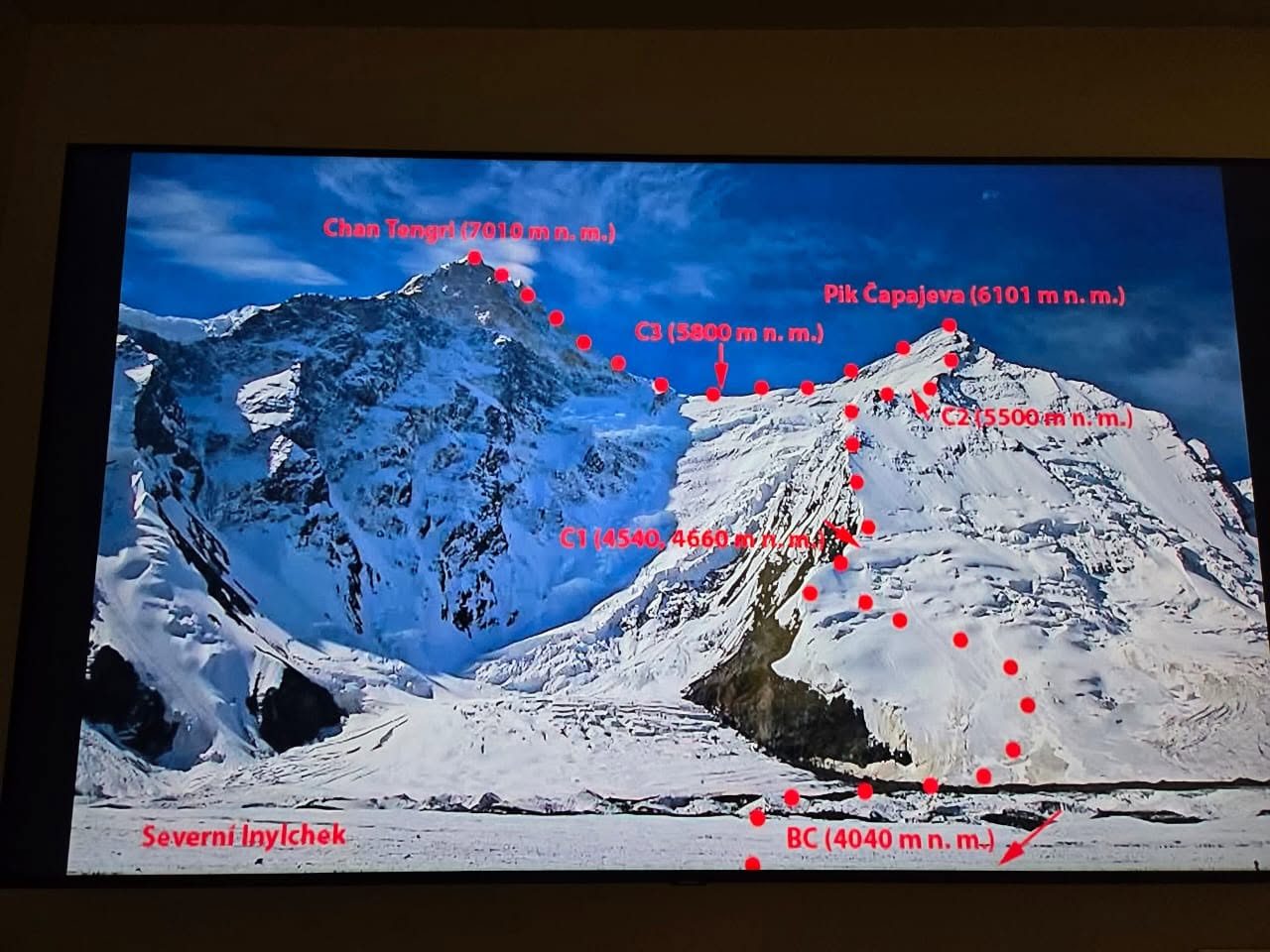
The legendary peak of the Tien Shan — its rock summit stands at 6,995 meters — is one of the hardest and most beautiful tests in high-altitude mountaineering. Not primarily because of its height, but because of the technical routes, the rapidly changing weather, and the danger of avalanches and ice fall. While nearly a thousand climbers set out for Mount Everest each year, Khan Tengri is a far less frequently visited peak: in a single season only 200–400 people attempt it. This alone shows that the legendary mountain of the Tien Shan remains a special and technically exceptionally difficult challenge in high-altitude climbing.
The dangers of the mountain are well illustrated by the tragedy of 2004. In August, a huge ice fall swept down the Semenovsky Glacier across expeditions on the classic southern route, and eleven climbers lost their lives. After these events, many chose instead the northern route, which is longer but carries lower objective risk.
Seventeen Hungarian expeditions, thirty successful summits
Khan Tengri is also a defining location in the history of Hungarian mountaineering. The first Hungarian success came in 1989, and since then 16 expeditions have reached the mountain, during which 30 Hungarian climbers have stood on the summit.
Among the successful climbers are well-known names such as János Bazsantik, Zsolt Erőss, Éva Baranyi, and Csaba Varga.
Of the thirty successful summits, nine were entirely privately organized, in three cases a local expedition agency provided the logistical backing, and the rest were connected to expeditions by Hungarian mountaineering organizations.
Forty days of patience
Now comes the most important period of the expedition. Over the next nearly forty days, Zsolt will establish high-altitude camps, climb repeatedly to ever greater heights, then return to rest, so that his body gradually adapts to the oxygen-poor environment.
One of the most important rules of high-altitude mountaineering is that acclimatization cannot be rushed. Ascending too quickly can cause severe altitude sickness, so success requires not only excellent physical condition but also patience, discipline, and a series of good decisions.
On Khan Tengri it is often not the strongest climber who reaches the summit first, but the one who can wait for the right weather window, manages their strength well, and makes the most important decisions at the right moment.
The next stop of a dream
For us, Khan Tengri is not just another expedition. We know that for Zsolt it is the next stop on a longer journey. He has already successfully climbed the 7,134-meter Lenin Peak, and now he can take another step toward earning the legendary Snow Leopard title.
This recognition is earned by climbers who successfully complete all five of the former Soviet Union's seven-thousand-meter peaks. It is one of the most prestigious achievements in high-altitude mountaineering, attained so far by only a few hundred climbers — and among Hungarians, so far only by Zsolt Erőss.
The original values of mountaineering
On a significant share of today's high-altitude expeditions, a helicopter assists the approach, porters or Sherpas carry the equipment, and some of the high camps are pre-established.
Our colleague chose a different path.
He set out from Hungary by bicycle and reached Central Asia under his own power. He carries his own equipment, builds the camps himself, and uses no external personal assistance during the climb either.
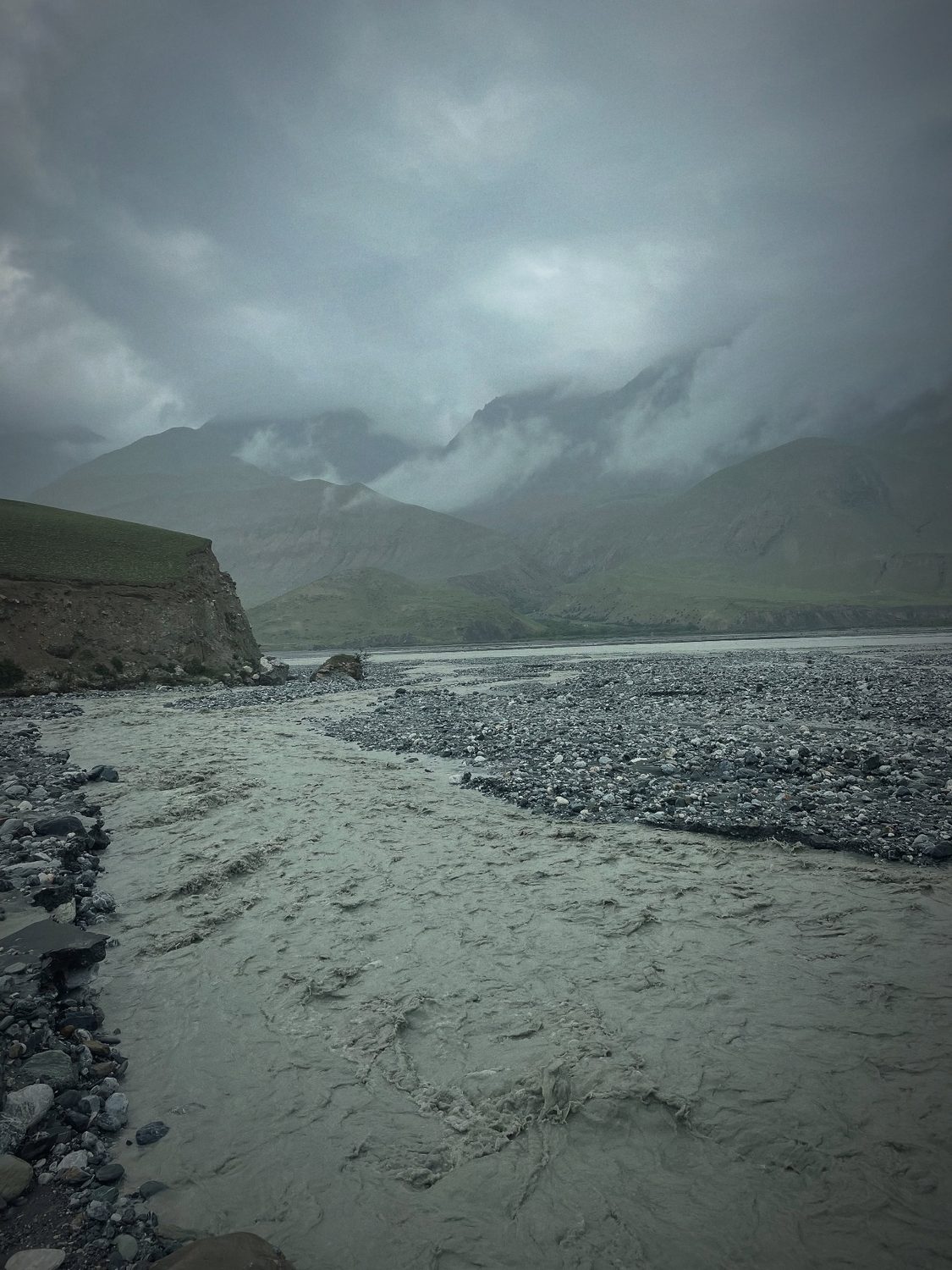
This approach evokes the classic values of mountaineering: self-reliance, responsibility, thorough preparation, and deep respect for nature.
Even in the history of Hungarian high-altitude expeditions, it is a rarity for a single undertaking to combine a bicycle approach of more than ten thousand kilometers, complete self-sufficiency, and the ascent of a technically extremely difficult seven-thousander as part of one expedition.
Safety is no accident
On the mountain, every decision carries weight. When is it worth moving on? How much time should be spent at the next camp? When must one turn back because of bad weather? A wrong decision can not only thwart the summit push but also jeopardize the success of the entire expedition.
At GÉPTESZT, we work with this very same mindset day in and day out.
We believe that safety rests on careful preparation, precise planning, and a series of responsible decisions. Behind the safe operation of a lifting machine there are standards, thorough inspections, and risk assessment — just as there are behind a high-altitude expedition.
Now we, too, are following our colleague's journey with excitement. We know that in the coming weeks every single step can bring him closer to the summit — but also that the most important thing is always a safe return home.
In the coming weeks we will report regularly on the most important events of Zsolt's expedition, and follow this extraordinary undertaking together.
We are all cheering for Zsolt to complete this enormous challenge safely and to successfully reach the summit of Khan Tengri. We wish him every success — and we're waiting for him to come home!
Questions about an inspection?
Our team is glad to help with periodic inspections and certification.
Contact us